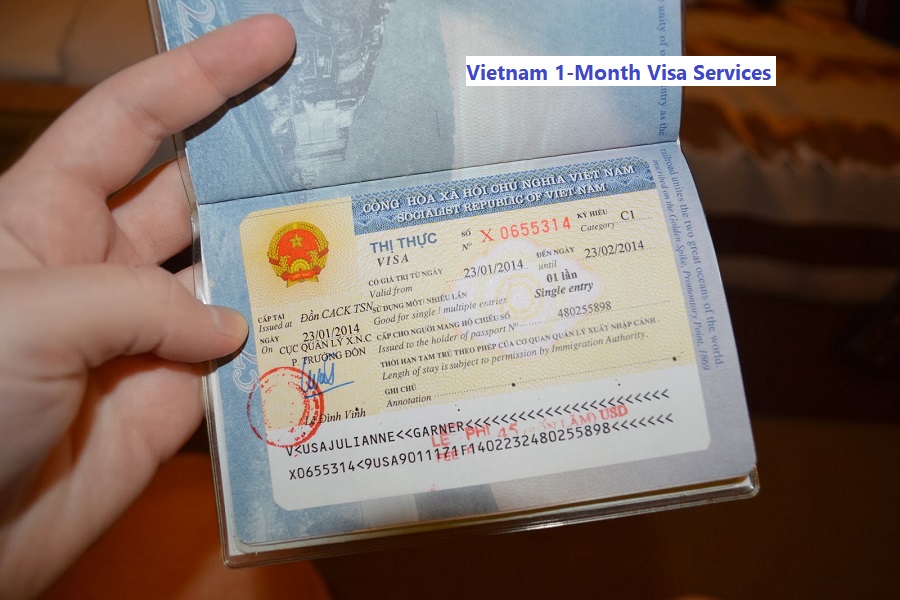
Planning a trip to Vietnam? Understanding the 1-month visa is essential for your travel experience. This guide covers everything you need to know about the types of visas available—tourist and business—as well as eligibility requirements. Learn how to apply online or in person, what documentation to gather, and the fees involved. Discover the steps to extend your visa and avoid overstay penalties. With practical tips for a smooth application process and helpful advice on navigating local regulations, you’ll be well-prepared for your journey. Ensure your stay in Vietnam is enjoyable and stress-free with all the necessary information at your fingertips.
Understanding the Basics of Vietnam’s 1-Month Visa
The 1-month visa for Vietnam is a popular option for travelers seeking flexibility, allowing them to explore the breathtaking landscapes and vibrant cities of this Southeast Asian nation. There are primarily two types of 1-month visas available: tourist and business. The tourist visa is typically intended for leisure travel and exploration, while the business visa caters to individuals visiting Vietnam for work-related purposes.
Eligibility for a Vietnam 1-month visa vietnam requires travelers to meet specific criteria, which may vary based on nationality and the type of visa being applied for. Generally, applicants must hold a valid passport with at least six months of validity remaining and a blank page for the visa sticker. For the tourist visa, proof of travel itineraries such as flight bookings and hotel reservations may further support the application. Conversely, for those applying for a business visa, a letter of invitation or sponsorship from a Vietnamese company is often required.
The application process for a 1-month visa can be straightforward, with multiple avenues available. Travelers can apply for this visa either online through the e-visa system, which is convenient and efficient, or in person at Vietnamese embassies or consulates. It is essential to review the specific documents required, as they may differ based on the method of application. Generally, the online application requires the completion of a form, uploading of necessary documents, and payment of the visa fee.
It is important to adhere to the limitations set by the 1-month visa, especially regarding extensions or overstay penalties. Travelers should remain informed about visa policies and stay compliant with visa regulations to ensure a smooth journey in Vietnam.
Applying for a 1-Month Visa: Step-by-Step Process
Applying for a 1-month visa vietnam online requires careful attention to detail and adherence to specific guidelines set by immigration authorities. The application process can vary based on the method chosen—consulate, embassy, or online application. Here’s a breakdown of the steps involved.
First, identify the appropriate application channel. If you prefer an in-person approach, visit the nearest Vietnamese consulate or embassy. Alternatively, many applicants opt for the convenience of online applications through authorized visa websites. Regardless of the chosen method, ensure your passport is valid for at least six months from your planned date of entry, and has at least one blank page for the visa stamp.
Next, gather the necessary documentation. Typically, you will need a completed visa application form, a recent passport-sized photograph, and a copy of your passport. Some applicants may also be required to provide proof of accommodation, a return flight itinerary, or an invitation letter from a business or individual in Vietnam.
After preparing the required documents, review the fee structure associated with your selected application method. Fees can vary significantly depending on the processing speed and the agency you are dealing with. Be sure to prepare the correct amount, as some consulates and embassies do not accept cards.
Waiting times for processing can also differ widely. Generally, standard processing may take from three to five business days, while expedited services may be available for an additional fee. To ensure a smooth application, consider completing your application well in advance of your planned travel date.
Lastly, avoid common pitfalls by double-checking your application for missing information, ensuring the photo meets specified guidelines, and keeping copies of all submitted documents. Following these steps can significantly enhance the likelihood of a successful visa application.
Visa Extensions and Adjustments: What You Need to Know
Navigating the ins and outs of visa extensions and adjustments while in Vietnam is crucial for travelers holding a 1-month visa. The initial 30-day visa can typically be extended, allowing for a more prolonged stay in the country. There are several options available for extending a visa in Vietnam, and understanding these processes is essential for maintaining your legal status.
To apply for an extension, travelers usually need to visit the local immigration office or seek assistance from a reputable travel agency. The application process involves submitting necessary documentation, which generally includes your passport, a completed application form, and recent passport-sized photos. Additionally, you may be required to present proof of accommodation and evidence of sufficient financial means to support your extended stay.
While applying for a visa extension in Vietnam, be aware of the potential costs involved. Fees for extending a 1-month visa can vary significantly based on the duration of the extension. Generally, the longer the extension period, the higher the fee may be. Therefore, it is wise to prepare for these charges to avoid any surprises during the application process.
It is important to address the matter of overstaying your visa, as the consequences can be severe. Overstaying your visa can result in fines, possible detention, and deportation. In many cases, individuals may be subject to a fine calculated daily for each day overstayed. To avoid these situations, travelers should take timely action regarding their visa adjustments and ensure that they complete applications well in advance of their visa expiry.
Understanding the options and processes for obtaining a visa extension in Vietnam is essential for travelers wishing to stay longer than their original 1-month visa. By being informed and proactive, visitors can ensure a smooth and uninterrupted travel experience in this vibrant country.
See also this article: What are some common mistakes when applying through a visa service
Helpful Tips for a Smooth Visa Experience in Vietnam
Navigating the visa landscape in Vietnam can be straightforward if you are well-prepared. To ensure a seamless experience while applying for your 1-month visa, consider the following practical tips. First, keep yourself informed about any changes in visa policies. Vietnam, like many countries, may revise its visa regulations periodically, so it is essential to check the official immigration website or consult with a reputable visa service provider for the latest information.
Second, familiarize yourself with the local customs and expectations surrounding visas. Understanding the documentation required, such as passport validity and recent photographs, can expedite your application process. Additional documents may be necessary based on your nationality or specific visa type, so ensure you have everything prepared beforehand.
Third, be prepared for potential challenges that may arise during your stay. It’s not uncommon for travelers to encounter unexpected situations, such as needing to extend their visa or changes in local policies. In such cases, knowing how to contact the local immigration office and having a list of reputable visa service providers can be invaluable. These professionals can assist you with extensions and ensure compliance with local regulations while minimizing stress.Having a local contact, whether a friend or a colleague, can also make navigating these potential challenges easier.
Lastly, always keep copies of your visa and immigration documents handy. This practice can serve as a safeguard if you need to present proof of your legal status while traveling internally or in case of emergencies.
By following these tips, travelers can optimize their experience in Vietnam, ensuring that their 1-month stay is enjoyable and free from visa-related complications.
Liên hệ đơn vị
VisaVietnamOnline
- Address: 1728 Big Canyon Trail, Carrollton, TX 75007, US
- Phone: +1(972)-666-0676
- WhatsApp:(+84)968 18 77 18
- Email: [email protected]
- Website: visavietnamonline.org